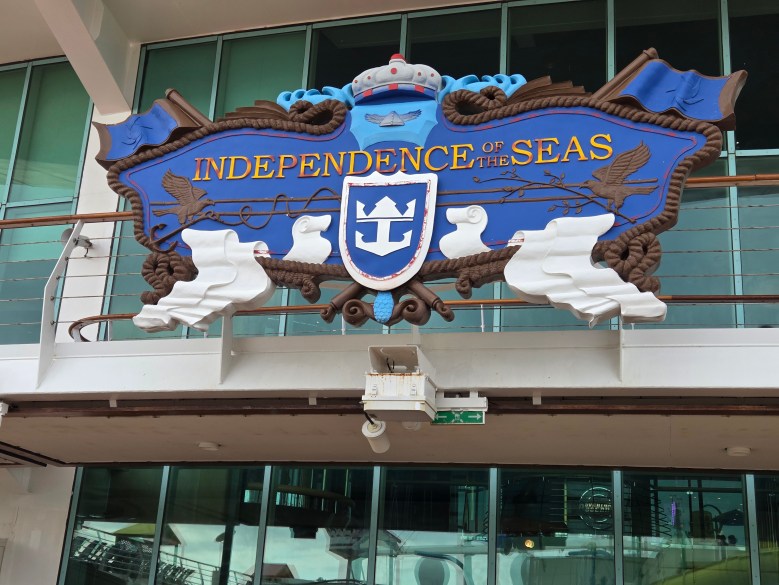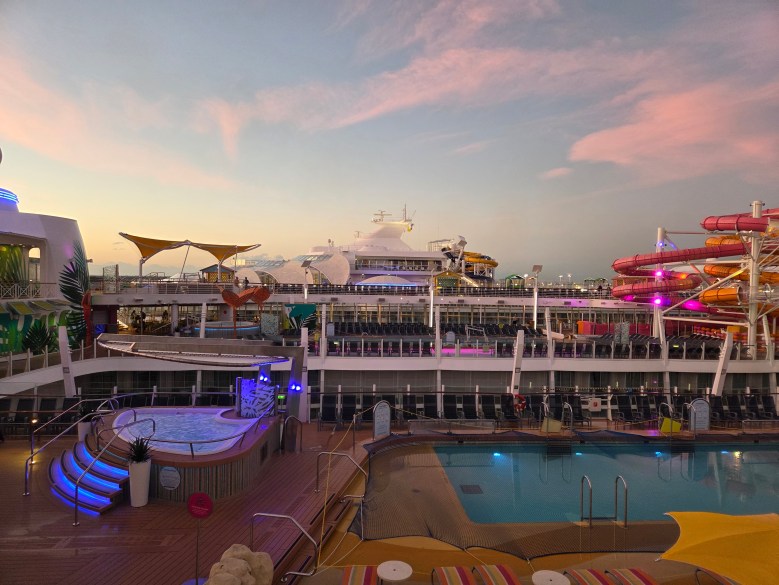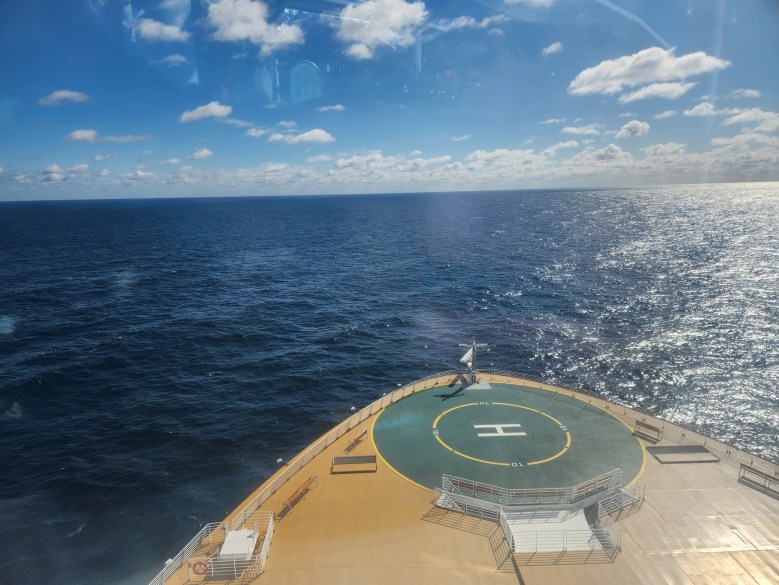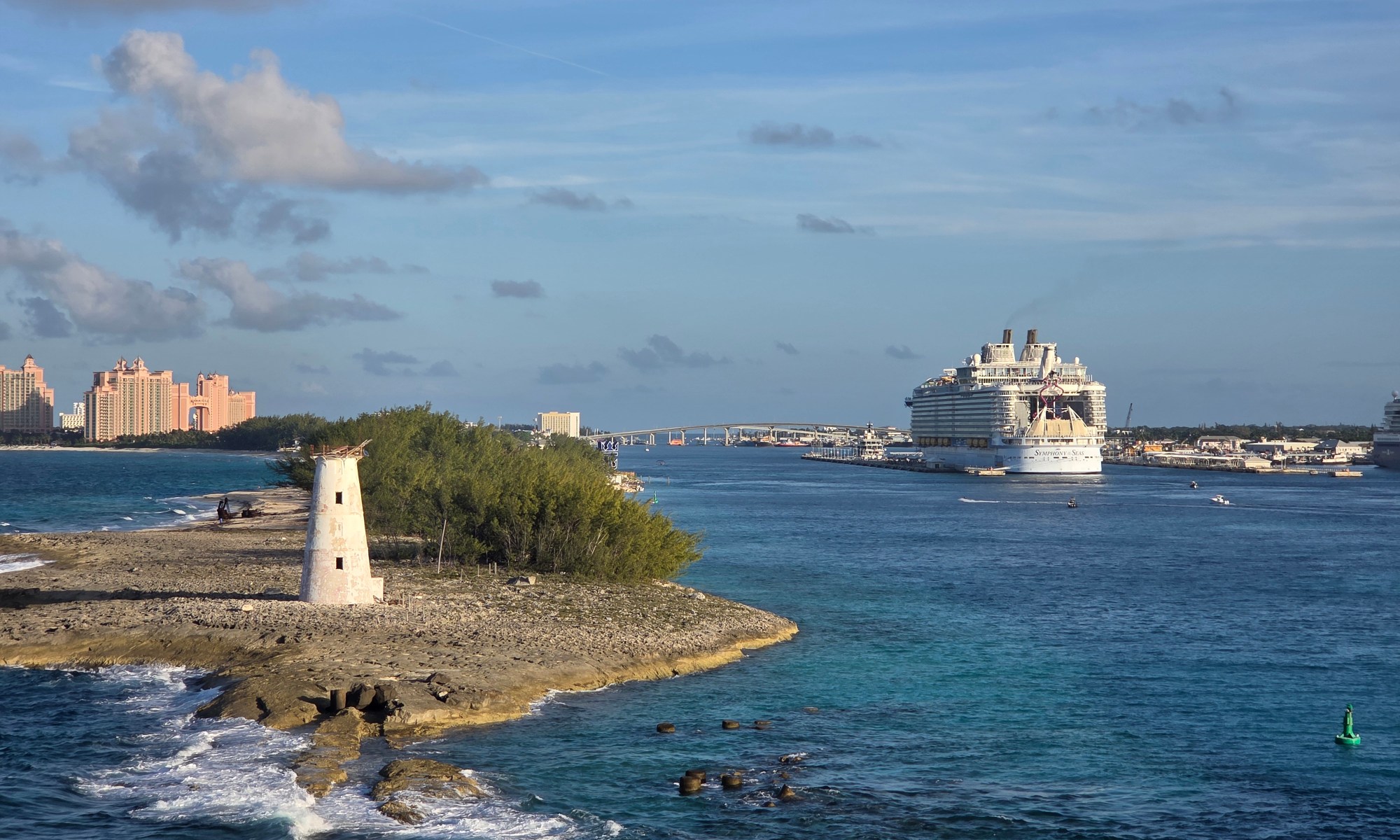

My first cruise was on Adventure of the Seas, and I knew absolutely nothing. Full deer-in-headlights territory — I had no idea what a muster station was, and I definitely didn’t know what “Diamond” or “Pinnacle” meant. Thankfully, I was traveling with a friend who was Diamond Status, and a few Pinnacle Club members in our group took pity on me and showed me the ropes. I spent most of that trip lost, but I had great teachers, and there have been a lot of cruises since — including sailings on ships like Allure of the Seas, Oasis of the Seas, and Independence of the Seas. Somewhere between that first clueless voyage and now, all those lessons turned into a running list of things I wish someone had told me on day one.
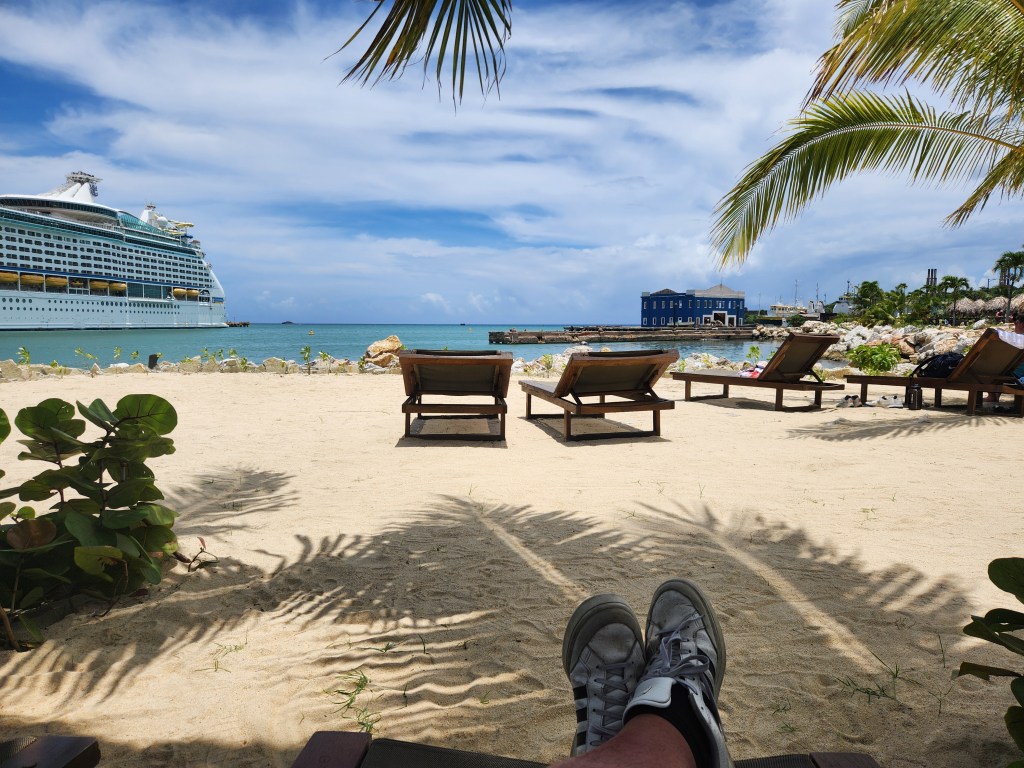
There’s a moment on every first cruise — usually somewhere around the second day — when you realize you had no idea what you didn’t know. Maybe it’s when you spot other passengers strolling into the dining room in shorts while you’re sweating in long pants, or when you realize the show you wanted to see filled up two weeks ago. After sailing on ships like Allure of the Seas, Oasis of the Seas, and Independence of the Seas, I’ve collected a running list of lessons — some learned the easy way, some the hard way. Here’s what I’d tell any first-time cruiser before they even book.
1. Pick Your Itinerary Before You Pick Your Ship

It’s tempting to obsess over which ship has the best waterslide or the flashiest atrium, but the days and ports matter more than the ship itself. A great itinerary on a smaller, older ship will beat a mediocre itinerary on the newest ship in the fleet almost every time. Start with where you actually want to go, then work backward to the ship.
2. Older Ships Have Their Quirks — Pack Accordingly
Speaking of older ships: if you do end up on one, go in with the right expectations. Bathrooms and cabins tend to be smaller, and outlets are often limited. My fix: pack a European plug adapter along with your regular one. Older ships weren’t built with modern charging habits in mind, and a single adapter has saved me more than once.
3. Do Your Safety Brief Before You Even Board
Most cruise lines let you complete your safety briefing electronically ahead of time — do it on the way to the port, not after you’ve boarded. It saves you a step later and gets it out of the way while you’re already waiting around.
4. Muster Station Before Buffet
Once you’re actually on the ship, the buffet is calling your name — but find your muster station first. It takes a few minutes, it’s required, and knocking it out early means you don’t have it hanging over your head while you’re trying to relax.
5. Don’t Show Up Too Early Expecting Your Cabin
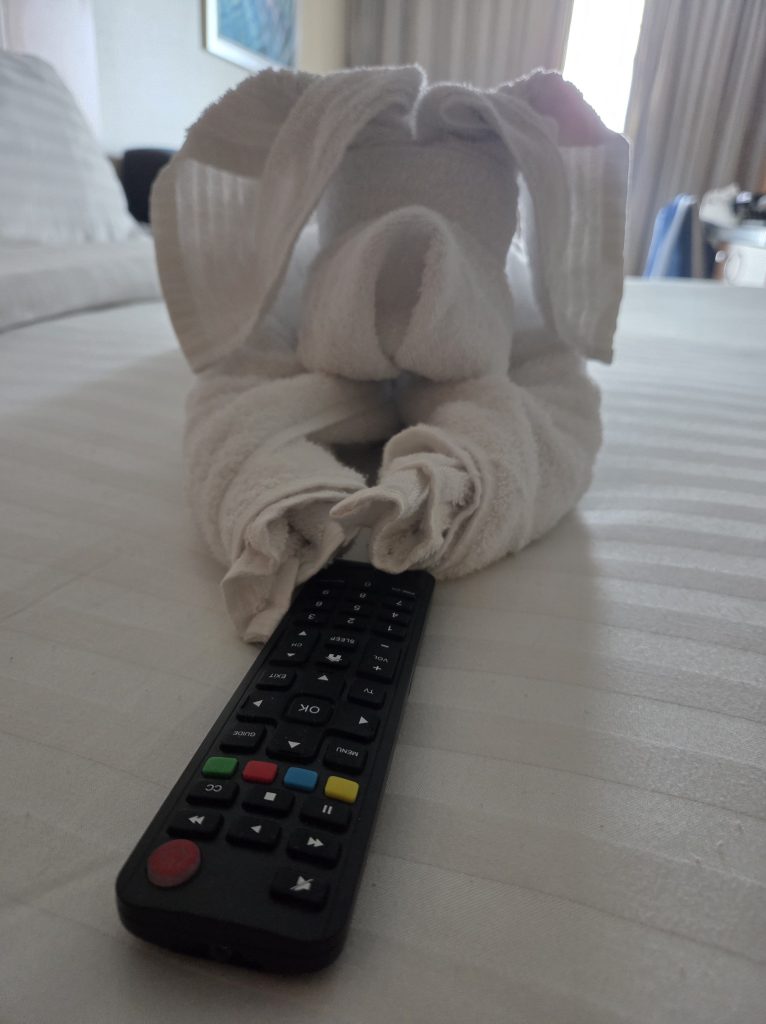
Your cabin usually won’t be ready until 1 p.m. or later on embarkation day, so plan your arrival time accordingly. Showing up right at boarding just means more time wandering the ship with your carry-on — not necessarily a bad thing, but good to know going in.
6. You Will Overpack. Accept It.
No matter how carefully you plan, you will bring more clothes than you need. It happens to everyone. Don’t stress over it — just leave a little extra room in the suitcase for the trip home.
7. Yes, You Can Wear Shorts in the Main Dining Room
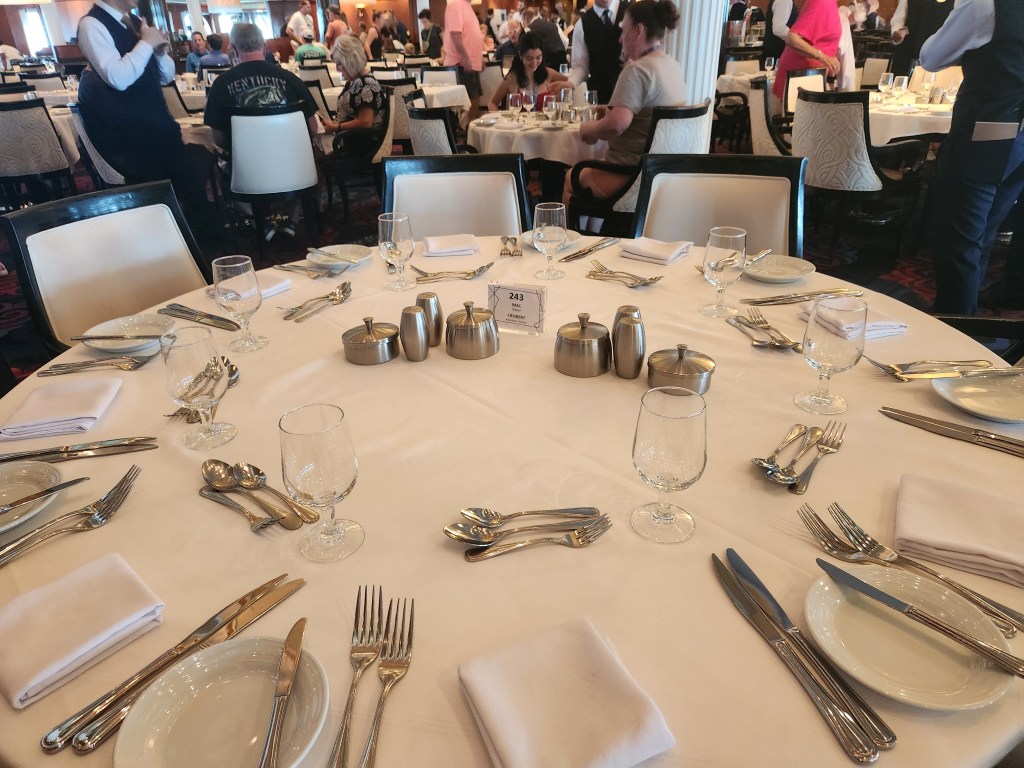
This one surprises people every time. Shorts are allowed in the main dining room on most nights — just wear a shirt with sleeves. Will some of the more traditional cruisers give you a look? Possibly. But it’s your vacation too, and comfort wins.
8. Book Specialty Dining Early for a Discount
If you’re planning on a specialty restaurant, book it at least three days before you board — pricing is often discounted the earlier you lock it in, and it only gets more expensive as you get closer to sail date.
9. Reserve Show Spots as Soon as You Can

If your ship requires reservations for shows, don’t wait. You can typically book these the day your check-in window opens, which is usually 45 days before sailing. Shows fill up fast, and there’s nothing worse than missing the one you were most excited about because you waited too long.
10. Know the Booking Timeline
Here’s the general rule: prices on things like specialty dining, internet packages, and drink packages tend to keep dropping right up until about three days before your cruise. But don’t cut it that close — aim to have everything booked at least a week out so you’re not scrambling (or gambling on availability) at the last minute.
11. Bring Small Bills for Tipping
Keep small bills on hand for tipping your bartenders, waitstaff, and room attendant along the way. It’s a small thing that makes those interactions smoother, especially early in the cruise before you’ve settled into a routine.
The Bottom Line
None of these tips are complicated, but they’re the kind of thing you only learn by either doing your homework or making the mistake yourself. Do the itinerary math first, pack smart for the ship you’re on, get your admin (muster, safety brief, reservations) out of the way early, and don’t sweat the small stuff — including the shorts. Follow these, and your first cruise will feel a lot less like a first cruise.