

Have you ever felt constrained by the rule of thirds in your photography compositions? While this guideline has long been a staple for creating visually appealing images, breaking away from it can lead to some truly stunning results.
Do you want your photos to look like everyone else’s? Do you want to post it to Instagram and not tell which one is yours, since they all look alike? It’s simple to stand out in a good way. All you need to do is understand that breaking the “rules” can be a good thing (in photography)!
In this article, we will explore when it’s beneficial to ditch the rule of thirds in photography, learn about alternative composition techniques, and discover how experimenting with creative shots can elevate your work to new heights. By challenging traditional norms and embracing your creativity, you can unlock the potential for truly unique and impactful images.
Understanding the Rule of Thirds

Understanding the Rule of Thirds can provide a solid foundation for photographers to create balanced and visually pleasing compositions. This guideline suggests dividing your frame into nine equal parts with two horizontal and two vertical lines, creating intersections where the focus points should ideally be placed.
Most of the time you are following this rule, without even realizing it. Your photos come out looking better (80% of the time) when it is followed. Take a look at the two photos below. Which one looks better?
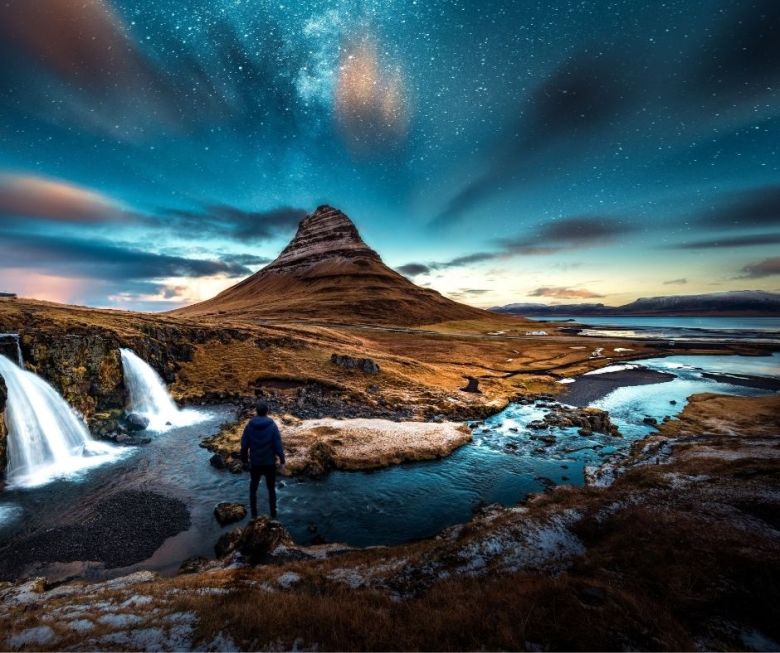
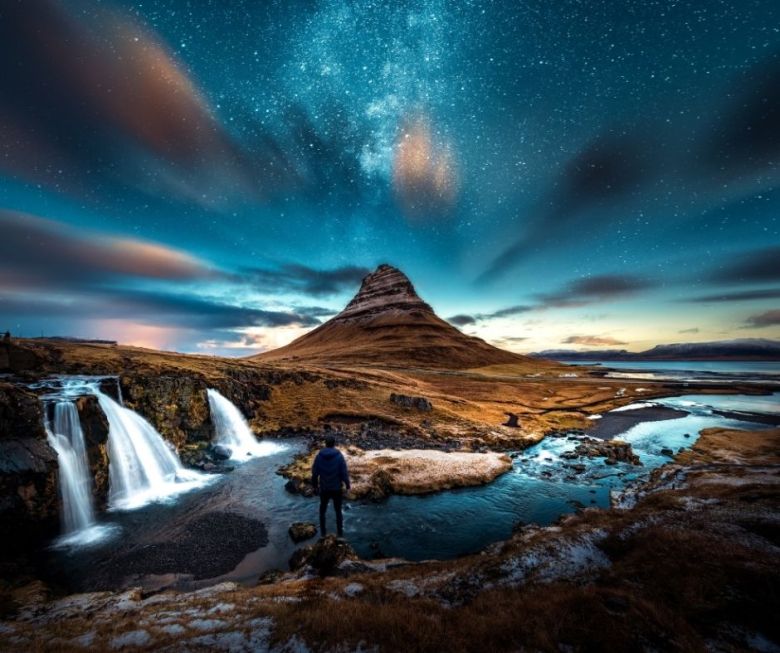
I am willing to bet you choose the one first one. They are both the same image with the same subjects. However, the first one follows the Rule of Thirds, while the second one doesn’t follow the rule. But why am I showing a photo that looks good following the rule when I should be showing ones that break it and look good.
Below you will see the same two images that have the grid laid out. You can see for yourself how the Rule of Thirds was applied to each photo and why one appears to look better over the other.
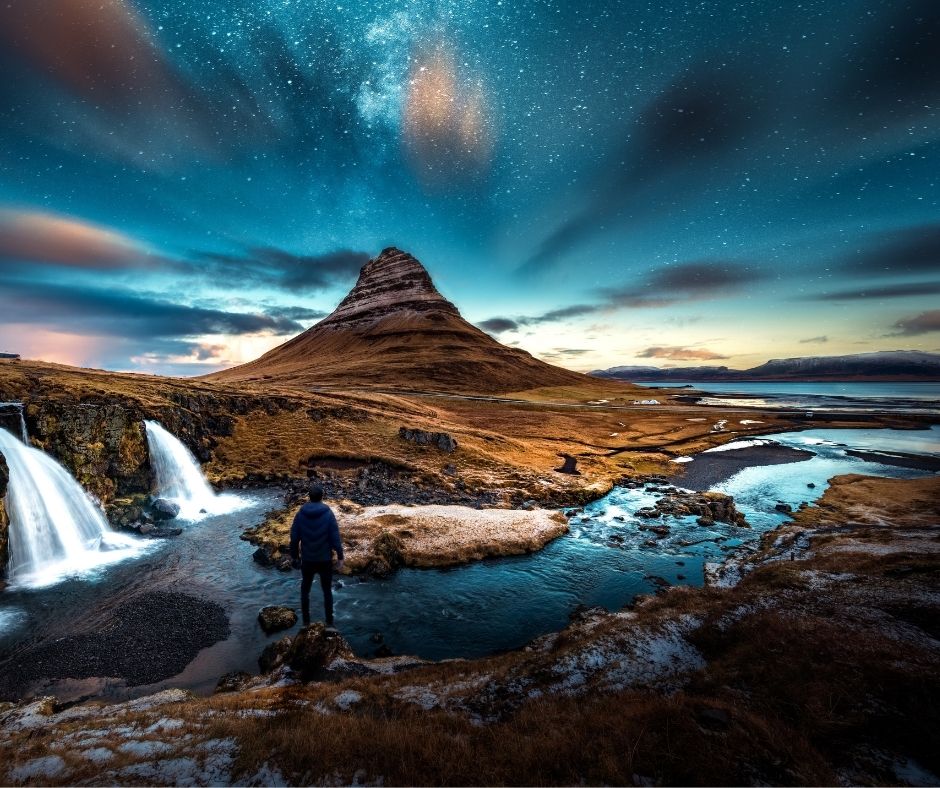
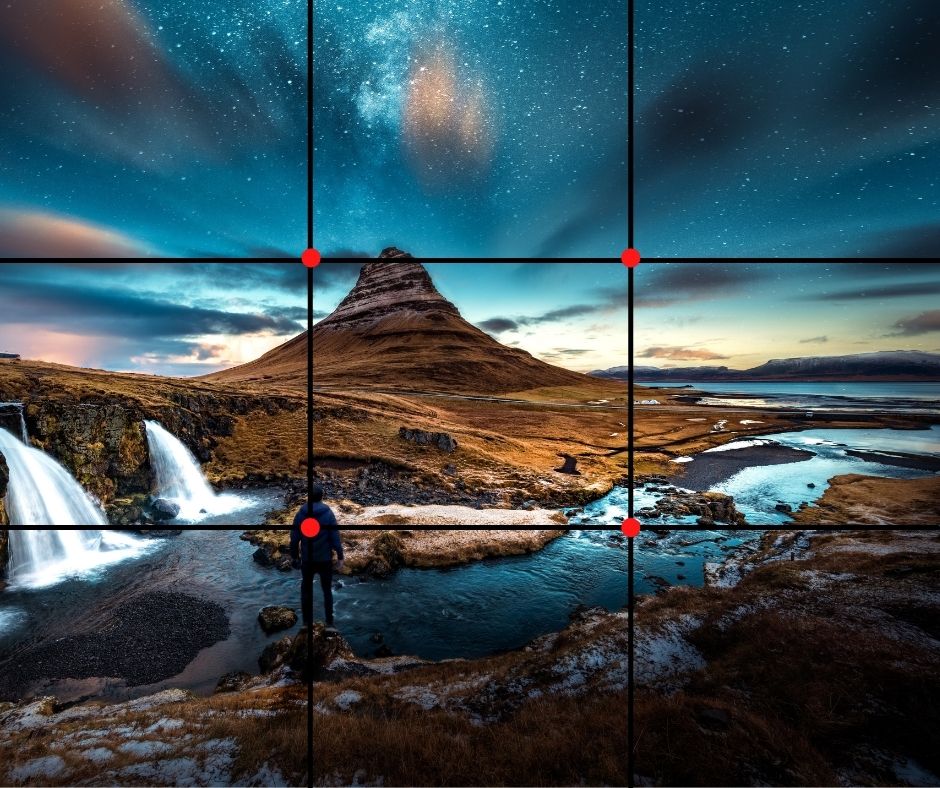
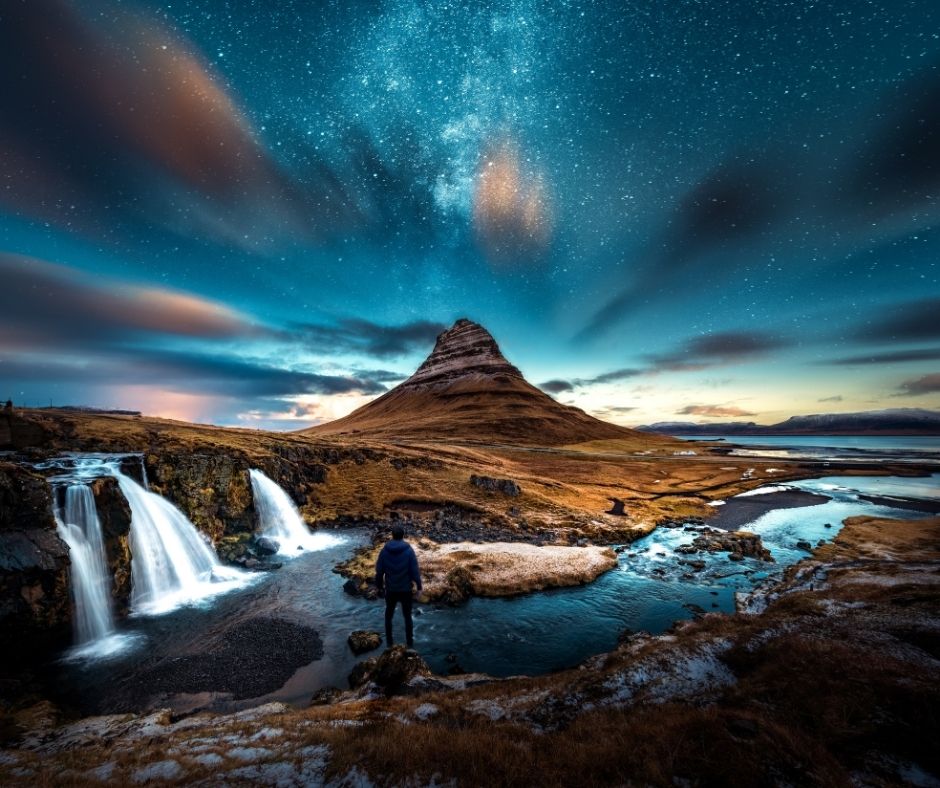
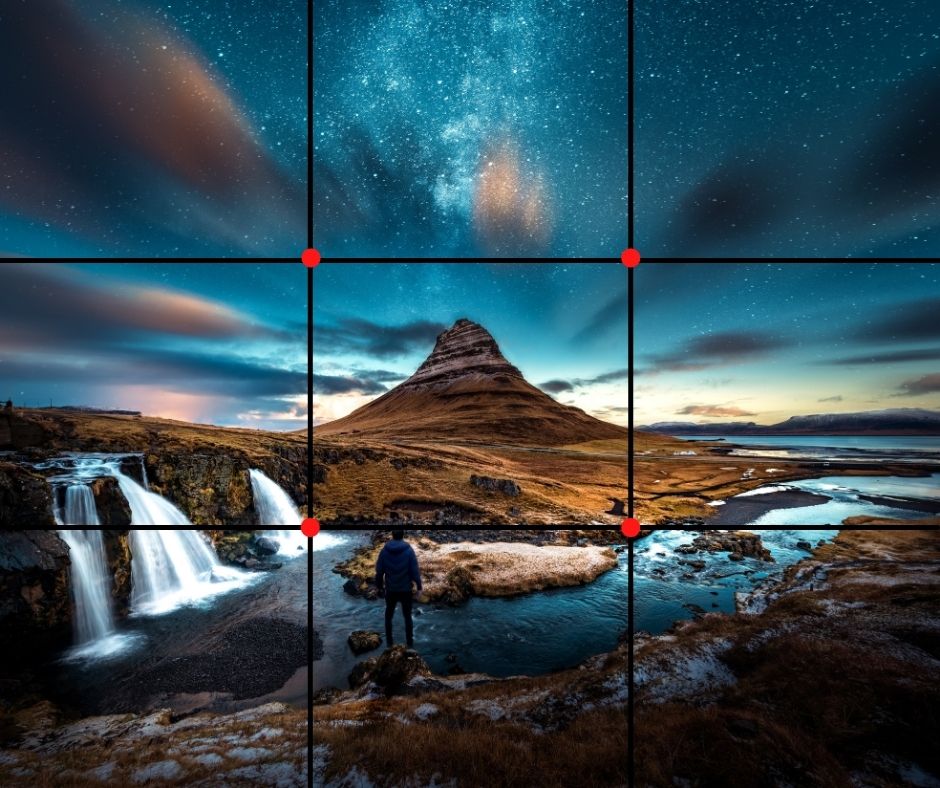
As you can see, the one following the rule just looks better. But again, why am I showing a photo that looks better when following it when I should be showing ones that look good and don’t follow the Rule of Thirds. Its simple, you need to understand how the Rule of Thirds work before you can break it.
By adhering to this rule, photographers can ensure that their subjects are not placed haphazardly within the frame but are strategically positioned to draw the viewer’s eye. However, it’s important to remember that rules are made to be broken, and sometimes deviating from the rule of thirds can result in more dynamic, interesting photos.
When to Break the Rule
There are specific instances when breaking the rule of thirds can elevate your photography and create a more impactful image. One such example is when you want to emphasize symmetry in your composition. By placing your subject directly in the center of the frame, you can create a sense of balance and harmony that may be lost with the rule of thirds.
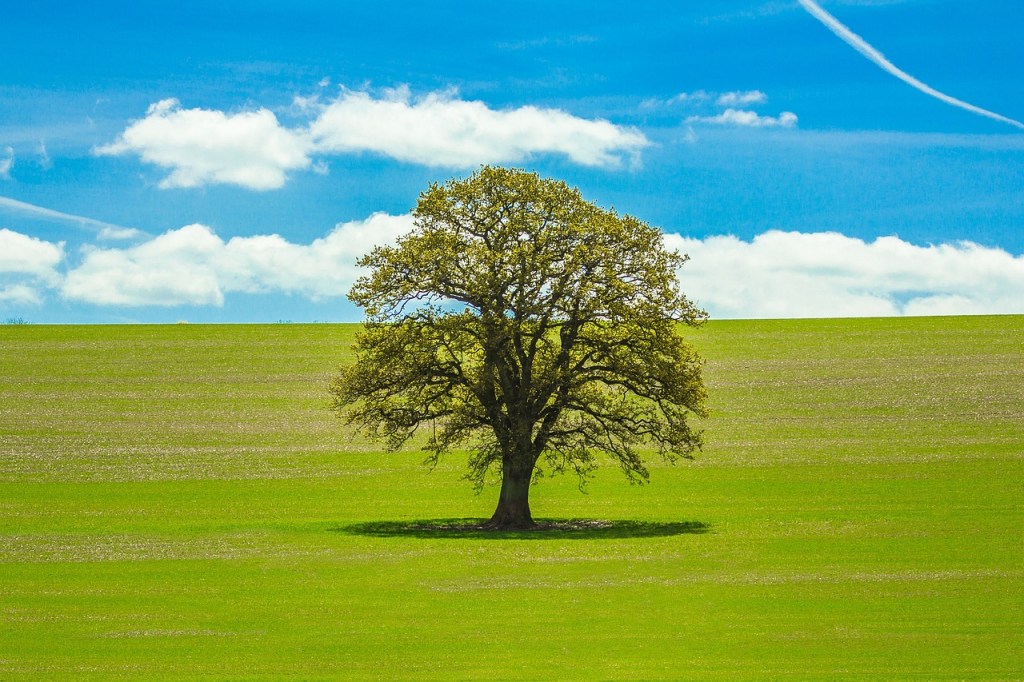
This image of a single tree in a field looks amazing. But it doesn’t follow the Rule of Thirds. This picture benefits from being centered and not broken into thirds.
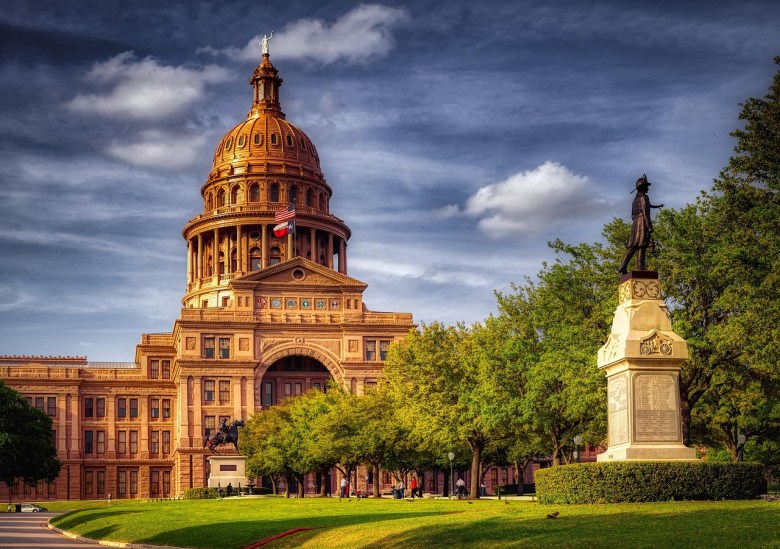
Below is another photo with the subject in the center of the frame. It helps captor the viewer into the photo. It really draws your eye.
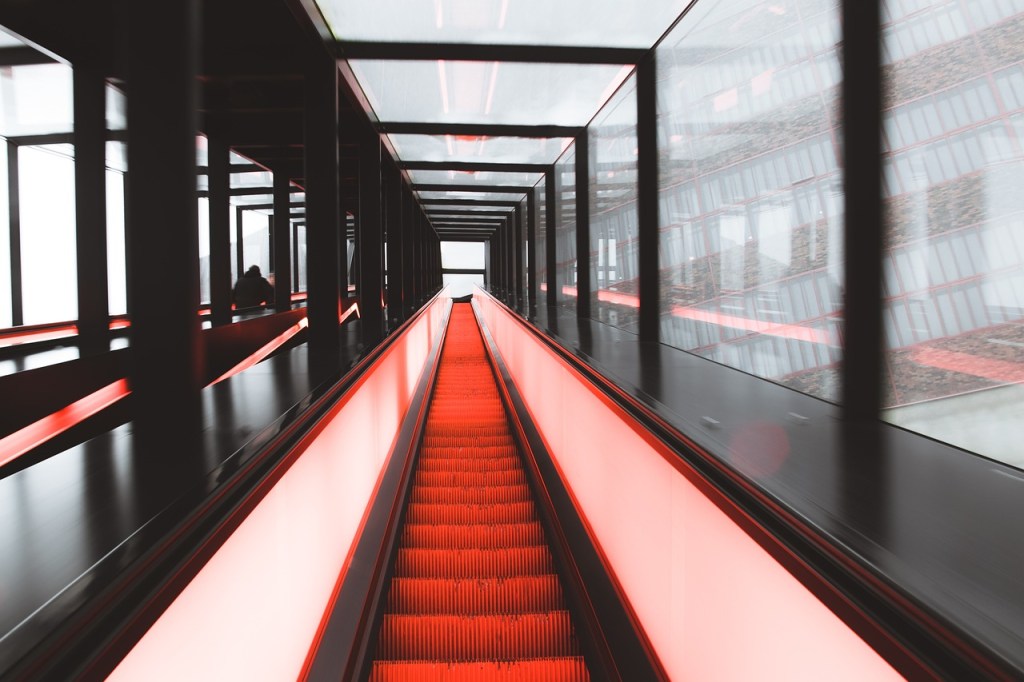
Additionally, breaking the rule can be effective when capturing dynamic motion or creating a sense of movement in your photos. Experimenting with unconventional composition can lead to unique and compelling results that challenge traditional expectations of framing and subject placement, ultimately expanding your creative horizons. These creative deviations can inspire alternative composition techniques that push the boundaries of traditional photography norms.
Alternative Composition Techniques
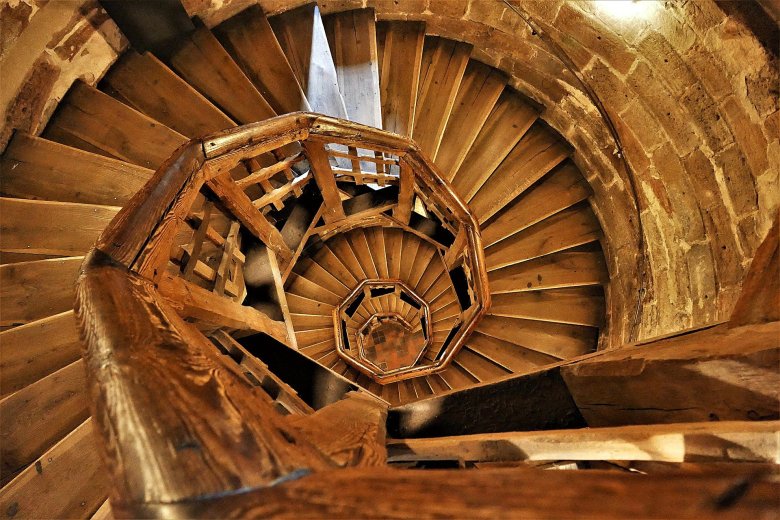
One alternative composition technique to consider is using leading lines to guide the viewer’s eye through the image, creating a sense of depth and movement. Another method is to play with framing, using natural elements or architectural details to frame your subject and draw attention to the focal point.

Experimenting with different perspectives, such as shooting from a bird’s eye view or ground level, can also add a unique and engaging element to your photos. By exploring these alternative composition techniques, you can break free from the constraints of the rule of thirds and unlock new possibilities for creative expression.
Experimenting with these creative shots opens up a world of endless possibilities for your photography.
Experimenting with Creative Shots
Sometimes, in photography, you need to break the established “rules” to come up with something unique. Millions of photos are taken a day and we need to find a way to set ourselves apart from everyone else. The only way you can do that is by breaking the Rule of Thirds and experimenting with different angles and perspectives.




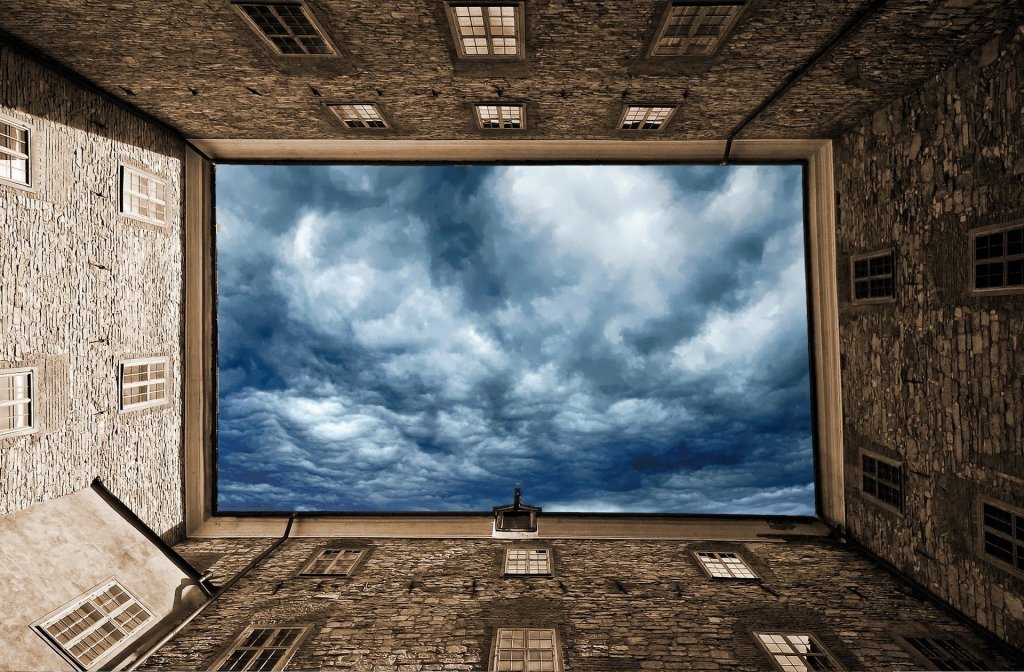

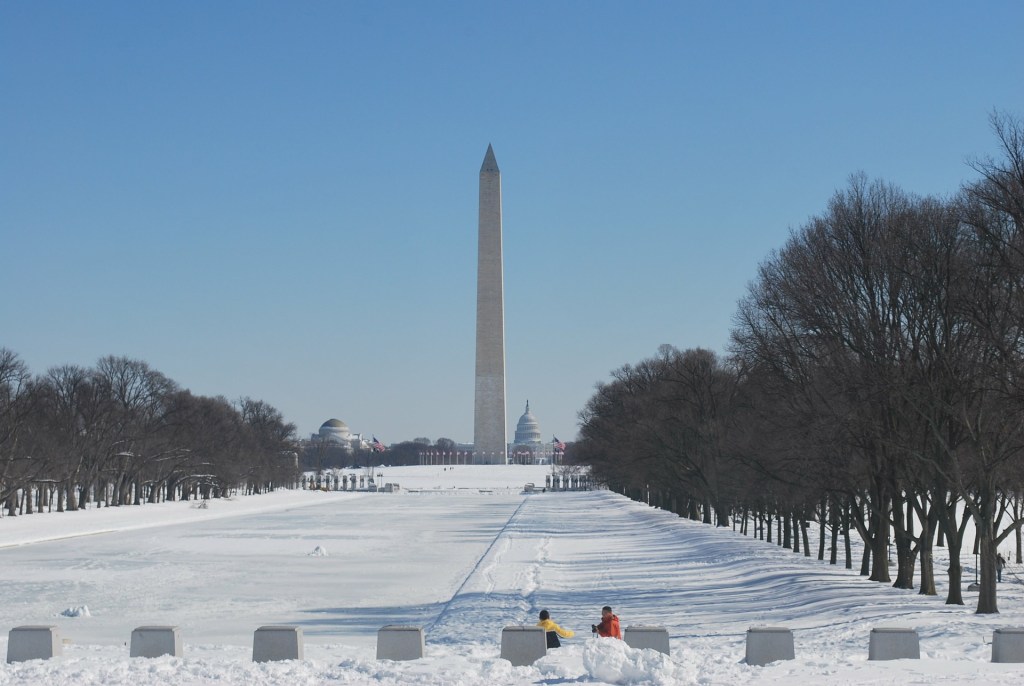
Experimenting with these creative shots opens up a world of endless possibilities for your photography. By stepping outside the traditional rules and exploring different techniques, you can push the boundaries of your creativity and capture truly unique and captivating images. So next time you pick up your camera, dare to break the rules and see where your creativity takes you.
In conclusion, mastering the rule of thirds is essential for strong composition in photography, but knowing when to break it can elevate your work to new heights. By exploring alternative techniques and pushing boundaries, photographers can create truly impactful and unique images that stand out from the crowd.
Challenge yourself to experiment with different approaches and see the difference it can make in your photography. As Ansel Adams once said, “You don’t make a photograph just with a camera. You bring to the act of photography all the pictures you have seen, the books you have read, the music you have heard, the people you have loved.” So go out there, break the rules, and create something extraordinary.
Do you have a favorite composition that you use? Do you always try to fill the frame, or follow leading lines? Let us know in the comments below!












 Kozmo Photos