

Do you ever wonder how professional photographers manage to capture stunning images with perfect composition? It all comes down to mastering the rule of thirds. This fundamental principle of photography can transform ordinary photos into visually compelling works of art. In this article, we will delve into the world of composition and explore practical tips for using the rule of thirds like a pro.
By the end you will understand the importance of the Rule of Thirds and how they apply to your photography. You will also see examples of the Rule of Thirds in action and how you can use them in your photography style.
From understanding the basics to applying advanced techniques, we will guide you through the process step by step. So grab your camera and get ready to elevate your photography game with the rule of thirds.
What is the Rule of Thirds?
Understanding the rule of thirds is crucial for photographers looking to enhance their composition skills and create visually stunning images that captivate viewers.

The Rule of Thirds is a fundamental principle in photography and visual composition. It involves dividing an image into nine equal parts by drawing two equally spaced horizontal lines and two equally spaced vertical lines, creating a grid with a 3×3 pattern. The key idea is to place important elements of the scene along these lines or at their intersections.
The Rule of Thirds helps avoid placing the subject directly in the center of the frame, which can make an image feel static or less dynamic. It encourages a more natural, engaging composition.
Why is the Rule of Thirds Important?
Understanding the rule of thirds is crucial for photographers looking to enhance their composition skills and create visually stunning images that captivate viewers. By dividing your frame into nine equal parts with two horizontal and two vertical lines, the rule of thirds helps you place key elements off-center for a more dynamic and balanced composition. This technique not only draws the viewer’s eye to the most important parts of your image, but it also creates visual interest and depth.
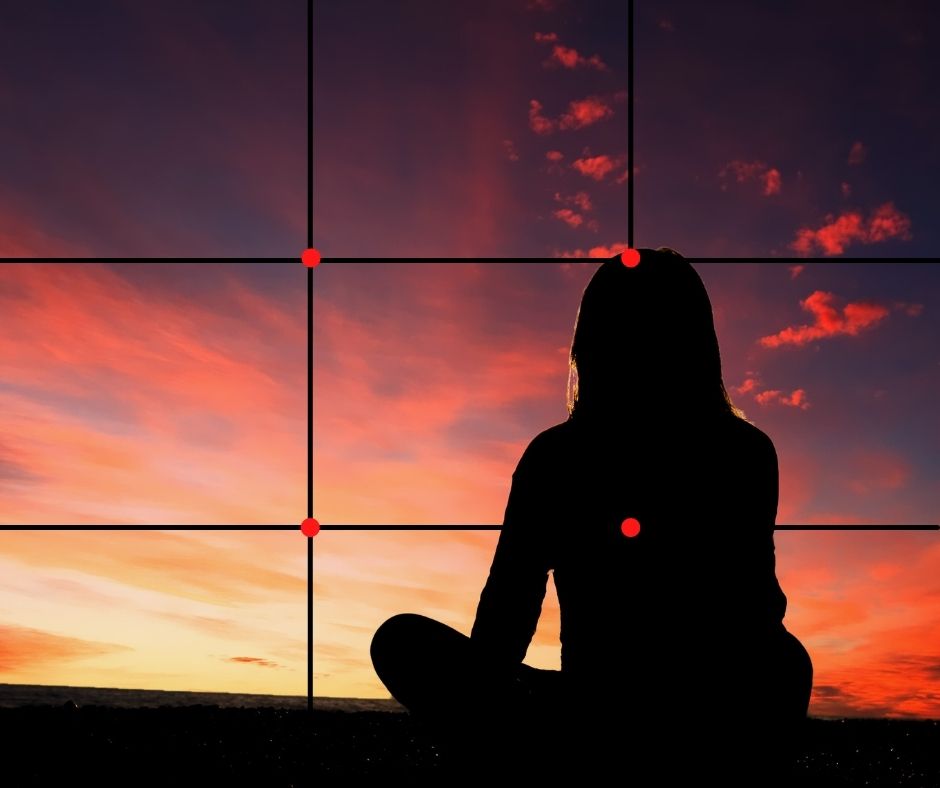
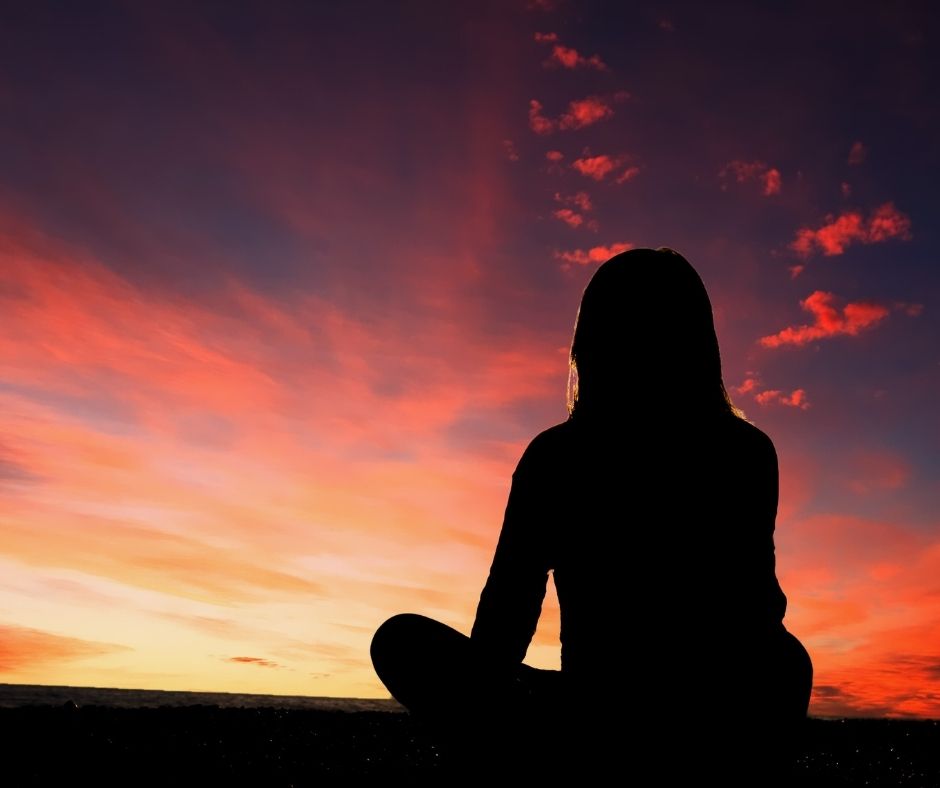
By following the rule of thirds, you can guide your viewer’s gaze through the image in a natural and pleasing way, leading to a more engaging and impactful photograph. This technique can help you avoid placing your subject in the center of the frame, which can often result in a static and less interesting composition. Instead, by positioning your subject along one of the intersecting points or lines, you can create a more visually appealing and harmonious image that resonates with viewers.
Understanding the importance of the rule of thirds will help you take your photography to the next level and improve the overall quality of your images. Now, let’s dive into some tips for applying the rule of thirds like a pro.
Tips for Applying the Rule of Thirds
When applying the rule of thirds to your photographs, it’s important to consider the subject’s placement within the frame. Experiment with moving your subject to different points of intersection or along the gridlines to see how it affects the overall composition. Remember that the rule of thirds is a guide, not a strict rule, so feel free to adjust as needed to achieve the desired visual impact.

Another tip for applying the rule of thirds is to consider the background and surrounding elements in your composition. Use the gridlines to align key features or points of interest with the intersections to create a balanced and dynamic image. This technique can help create depth and dimension in your photos, making them more visually interesting and engaging for the viewer.
Lastly, don’t be afraid to break the rule of thirds when necessary. While it’s a valuable tool for composition, sometimes placing your subject in the center of the frame can create a powerful and impactful image. Trust your instincts and experiment with different compositions to see what works best for the story you want to tell through your photographs.
These tips for applying the rule of thirds will help you enhance your composition skills and create more compelling images that resonate with your audience. Now, let’s explore some examples of how this technique is used in photography.
Examples of Rule of Thirds in Photography
Now, let’s explore some examples of how this technique is used in photography.
In portrait photography, positioning the subject’s eyes along one of the horizontal lines of the grid can create a visually engaging composition. This draws the viewer’s focus directly to the subject’s gaze, adding depth and emotion to the image.
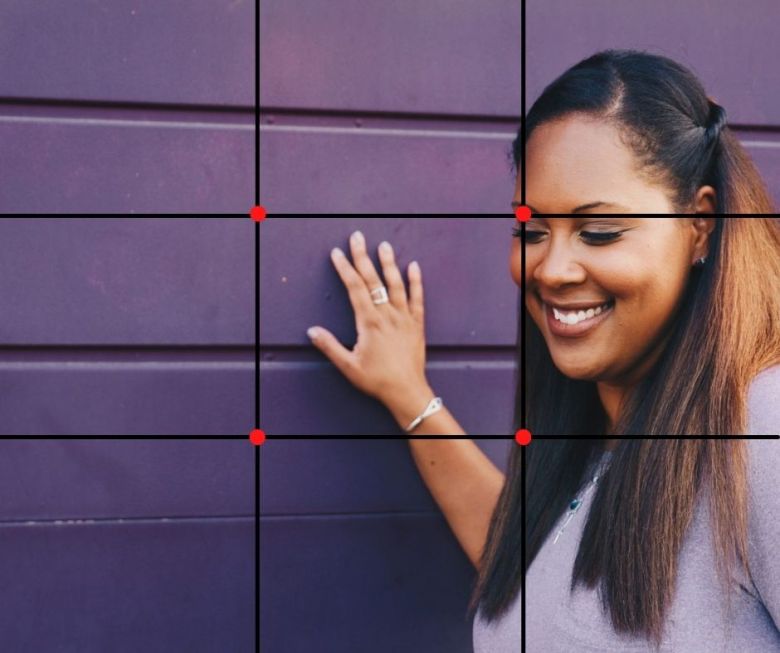
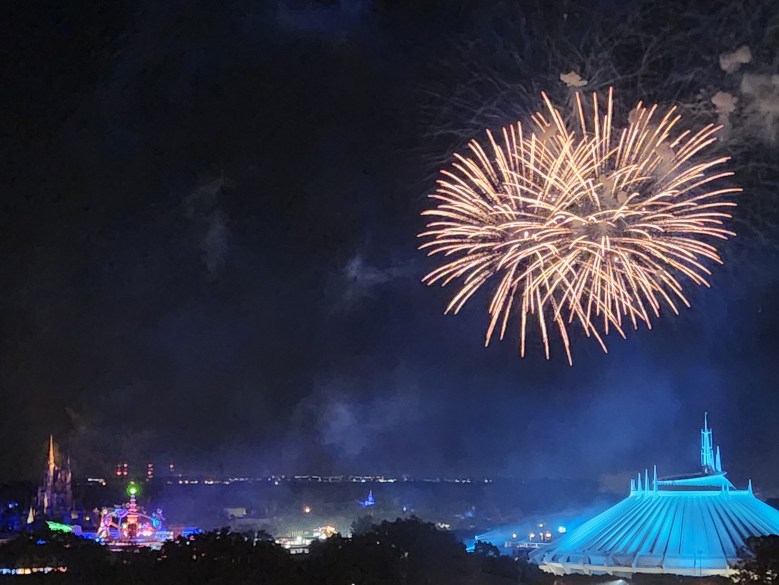
Landscape photographers often use the rule of thirds to showcase the natural beauty of a scene. Placing the horizon along either the top or bottom horizontal line can create a sense of balance and harmony, while also emphasizing the foreground or sky, depending on the photographer’s intention.

In street photography, applying the rule of thirds can help create dynamic and visually interesting images. Placing the main subject along one of the intersecting points can add movement and energy to the scene, drawing the viewer’s eye through the frame.
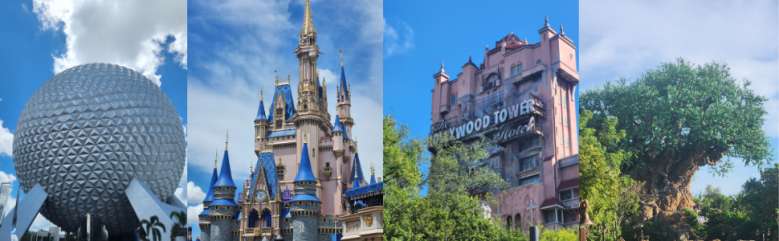
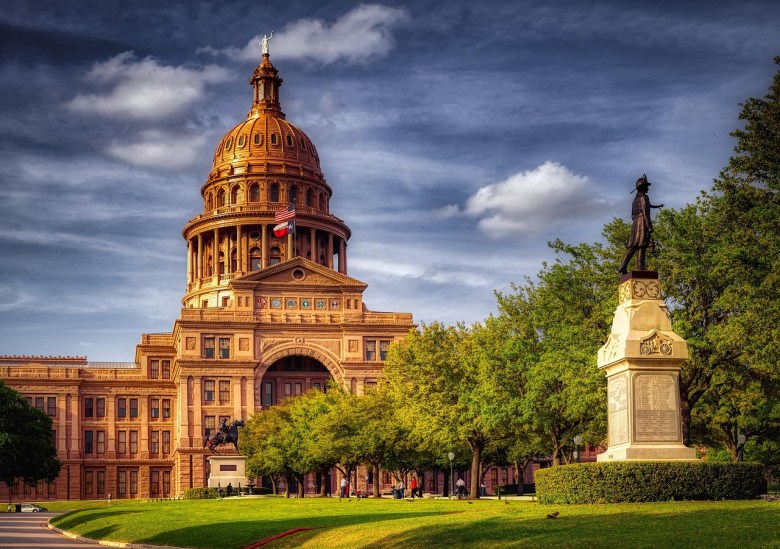
Architectural photography can benefit from the rule of thirds by highlighting the symmetry and balance of a building. Positioning key elements, such as windows or doorways, along the grid lines can create a sense of harmony and structure in the composition.

These examples demonstrate how the rule of thirds can be a versatile and powerful tool in photography, helping to create visually compelling images that resonate with viewers.
Mastering the rule of thirds is not just about following a guideline – it’s about transforming your photographs into powerful visual stories. By understanding the rule of thirds, you can create balanced and dynamic compositions that draw viewers in and leave a lasting impact. As you continue to apply these principles and hone your skills, remember that every great photograph starts with a strong foundation.
So, grab your camera, experiment with different compositions, and let the rule of thirds guide you towards endless creative possibilities. Embrace the balance, embrace the power, and watch your photography soar to new heights.















 Kozmo Photos