

As the world outside transforms into a winter wonderland, the opportunity to capture its beauty through photography becomes irresistible. But how can you elevate your winter photography skills to the level of the pros? In this article, we will unveil the exclusive techniques that professional photographers use to create stunning winter images.
From mastering composition tips to playing with exposure settings for snow scenes, we will guide you through the secrets behind capturing the essence of the season in your photographs. Get ready to immerse yourself in the art of winter photography and take your images to new heights.
Composition Tips for Winter Photography
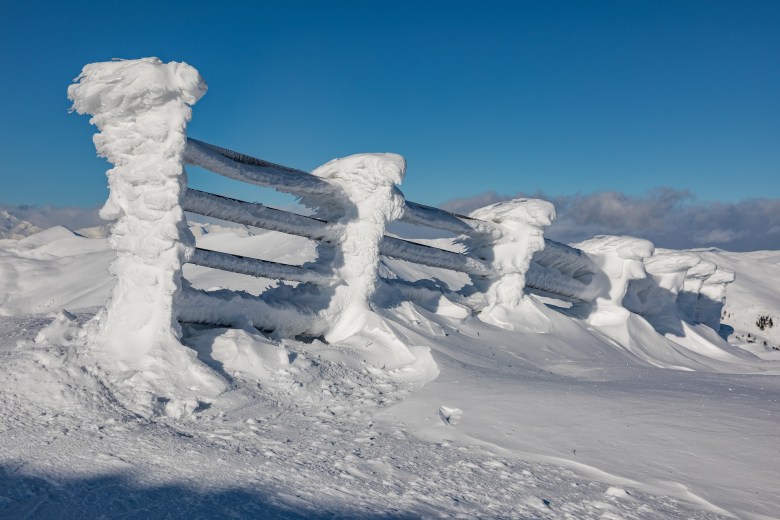
Now, let’s dive into some composition tips that will help you frame your winter shots with creativity and style. Mastering the art of composition is essential in creating visually compelling images that captivate viewers.
The Rule of Thirds is great in any photography situation, especially in winter. However, I find using leading lines can lead to a much more interesting photograph. Just like looking for contrast.
Nothing screams more interesting to me than a brightly colored object against the snow. It really brings out something special in the photo. Also play around when editing with black and white. If you think about it depending on where you go, you are already halfway there with a black and white photo.

Mastering Exposure Settings for Snow Scenes
When shooting winter scenes, it’s crucial to master exposure settings to ensure that your images are well-balanced and properly exposed. The bright white snow can often trick your camera’s light meter, leading to underexposed photos. To combat this, consider adjusting your camera’s exposure compensation to +1 or +2 to brighten up your images. Additionally, using spot metering on the brightest part of the scene can help you achieve the perfect exposure.
Another important setting to consider is your white balance. The cool tones of winter scenes can sometimes result in blue or gray hues in your images. To counteract this, try setting your white balance to daylight or cloudy to warm up your photos and bring out the true colors of the scene.
Lastly, don’t forget to play around with your aperture and shutter speed to further control the exposure of your winter shots. A wide aperture can create a shallow depth of field, drawing attention to your subject against the snowy backdrop. Experimenting with slow shutter speeds can also help you capture the falling snowflakes or create a dreamy, soft look in your images.
By mastering exposure settings for your winter photography, you can ensure that your images are well-exposed and visually compelling, setting the stage for creating mood and atmosphere in your winter images through thoughtful composition and lighting choices.
Creating Mood and Atmosphere in Your Winter Images
To truly elevate your winter photography, consider how you can create mood and atmosphere in your images. Think about the emotions you want to convey through your photos and use composition, lighting, and subject placement to evoke those feelings.

Experiment with different angles, framing techniques, and color palettes to enhance the mood of your winter shots. By paying attention to these details, you can transform a simple winter scene into a powerful visual story that resonates with viewers, setting the stage for utilizing natural light to enhance your shots.,
Utilizing Natural Light to Enhance Your Shots
One of the most powerful tools at your disposal for enhancing your winter photography is utilizing natural light. The way light interacts with a winter landscape can dramatically influence the mood and atmosphere of your shots. Pay attention to the direction, intensity, and quality of light as it changes throughout the day.
Early morning and late afternoon light, known as the golden hour, can cast a warm, soft glow on your subjects, while midday light may create higher contrast and harsh shadows. Experiment with different lighting conditions to see how they affect the look and feel of your winter images. By harnessing the natural light available to you, you can create stunning and captivating photographs that showcase the beauty of the winter season.
Incorporating the composition tips, exposure settings mastery, mood creation, and natural light utilization discussed in this article will undoubtedly transform your winter photography game. Elevate your skills, captivate your audience, and leave a lasting impression with your stunning winter images.
Remember, the key to success lies in the details and the dedication to learning and implementing new techniques. So, grab your camera, step outside, and let your creativity shine through the lens. As Ansel Adams once said, “You don’t take a photograph, you make it.”








 Kozmo Photos