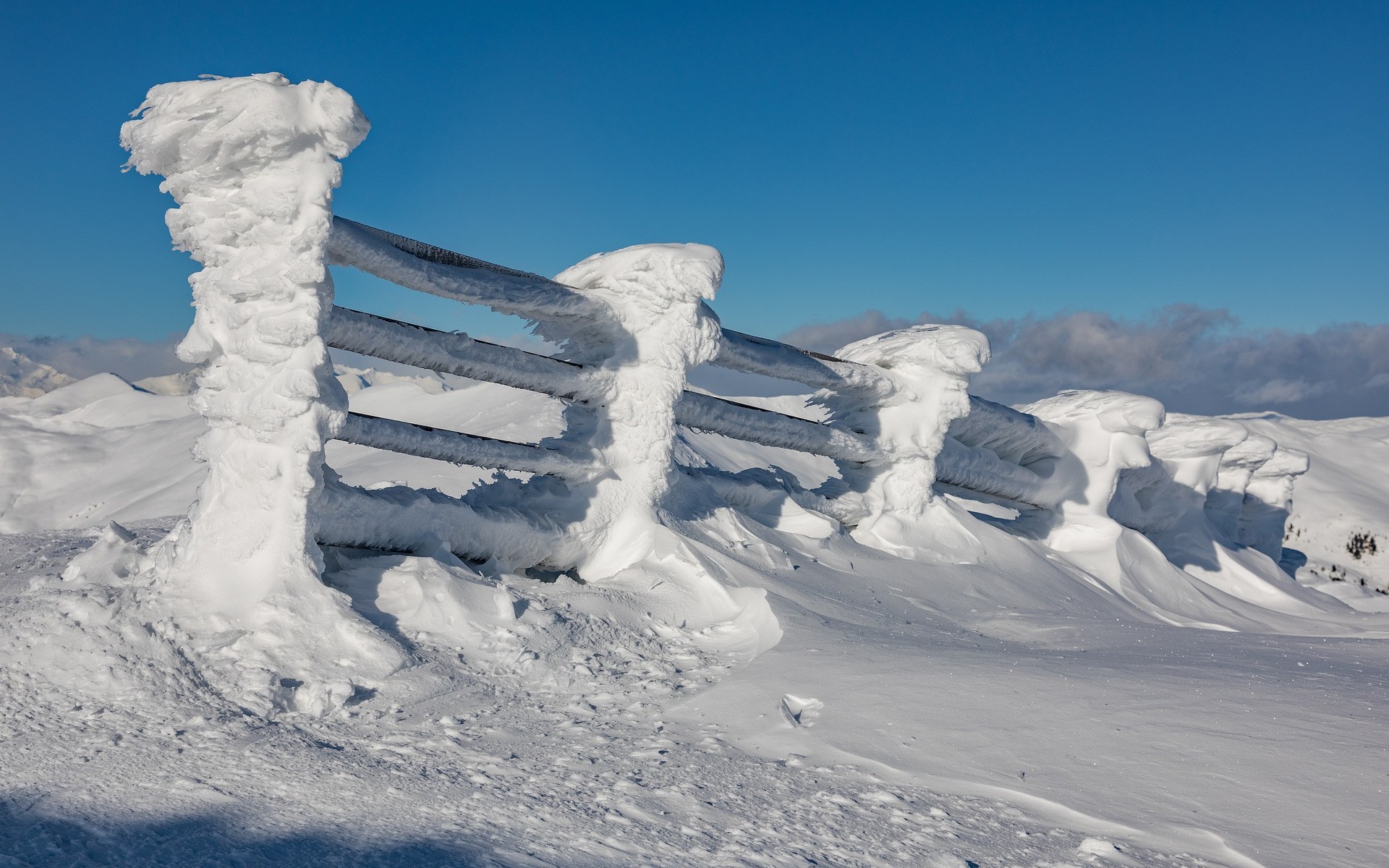

Winter is a magical season, transforming landscapes into pristine wonderlands just waiting to be captured through the lens of a camera. But mastering the art of winter photography can be a challenge. That’s why we’ve curated a list of 10 essential photography hacks to help you unlock the secrets to capturing breathtaking winter photos.
From mastering exposure settings to embracing the monochrome effect, these tips will take your winter photography skills to the next level. Get ready to explore the beauty of the season and elevate your photography game with these expert techniques.
Mastering Exposure Settings
Shooting snowing landscapes can be some of the most difficult times of your photography journey. The snow white landscape can sometimes trick your camera settings. The sun bouncing off the fresh snow can cause your sensor to think it is brighter than it really is.
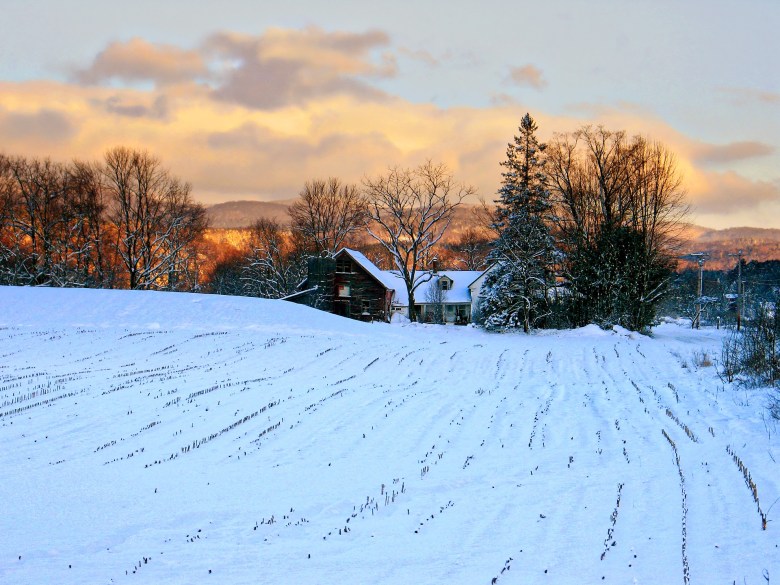
It is important to take test shots when shooting during the winter. This way you can adjust your shutter speed higher or lower depending on what the photo is telling you. If it’s too dark, start by lowering your shutter speed or bumping up the ISO. Too bright? Try increasing your shutter speed.
Winter is also a good time to try shooting in Aperture priority mode. Again, you do need to check your photos first since the camera will choose your shutter speed for you. The more practice you have the better off you will be at mastering your settings in the cold of winter.
Finding the Perfect Lighting
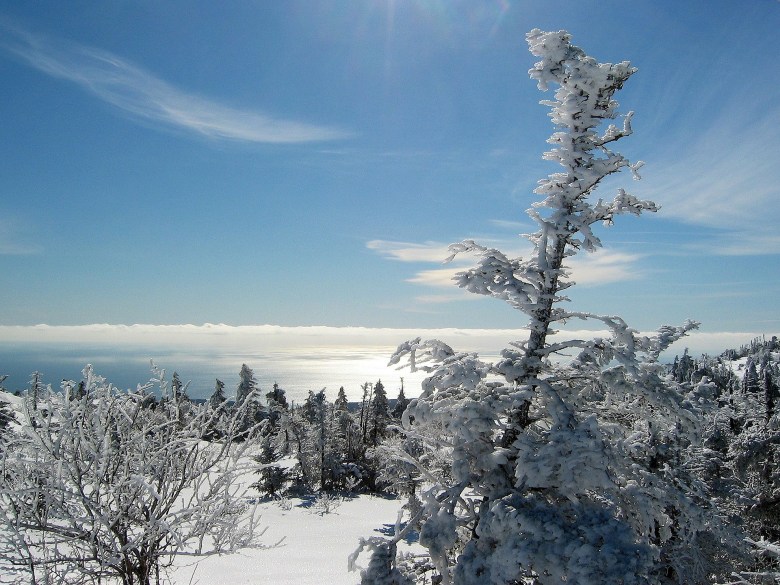
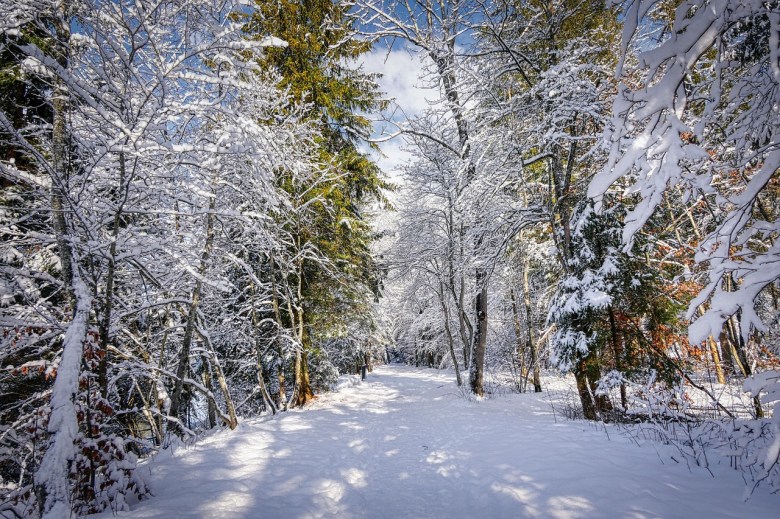
One key element to consider when capturing stunning winter photographs is finding the perfect lighting. The winter landscape offers unique lighting conditions that can create captivating effects in your photos. Look for soft, diffused light on overcast days to eliminate harsh shadows and bring out the details in the snow.
Alternatively, take advantage of the warm golden hour light at sunrise and sunset to add a beautiful glow to your winter scenes. Experiment with different angles and positions to find the best lighting for your shot, and don’t be afraid to play around with exposure settings to achieve the desired effect.
Using Reflections to Your Advantage
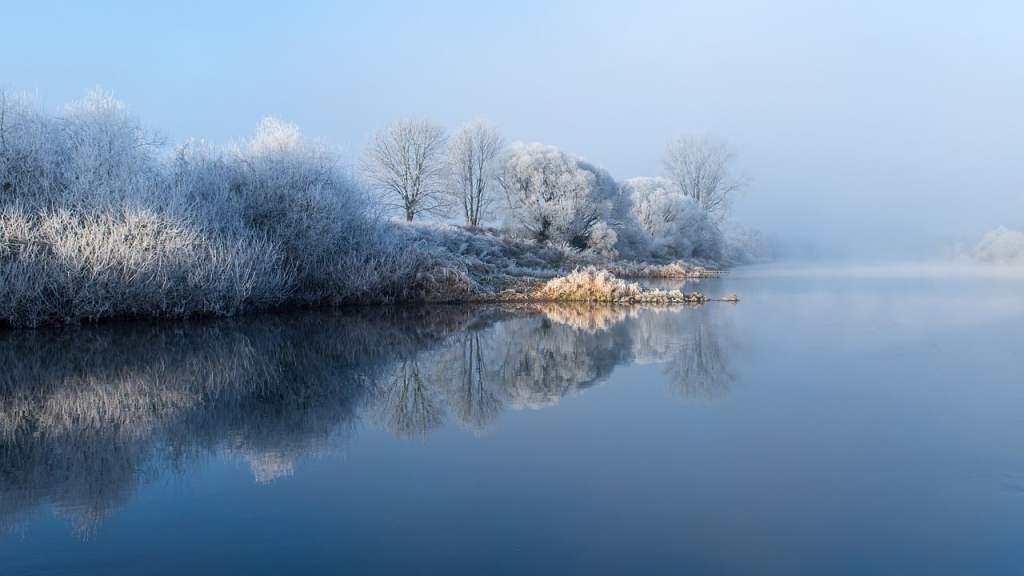
Another way to take your winter photography to the next level is by incorporating reflections into your shots. The glistening snow and icy waters can create stunning reflections that add depth and interest to your images.
Seek out still bodies of water, such as lakes or ponds, to capture mirror-like reflections of the winter landscape. Experiment with different angles and compositions to frame the reflections in an artistic way, allowing them to enhance the overall composition of your photos.
This technique can also help you play with the depth of your images, drawing the viewer’s eye into the scene and creating a sense of immersion. By adjusting your focus and perspective, you can control what elements are reflected and how they interact with the rest of the composition. Get creative with your use of reflections to add visual interest and intrigue to your winter photography.
Experimenting with depth of field can further enhance the visual impact of your winter photos, allowing you to highlight specific subjects or create a dreamy, blurred background that adds a sense of depth and dimension to your shots.
Experimenting with Depth of Field
Experimenting with depth of field can further enhance the visual impact of your winter photos, allowing you to highlight specific subjects or create a dreamy, blurred background that adds a sense of depth and dimension to your shots. Utilizing Rule of Thirds can help you create balanced and visually appealing compositions that draw the viewer’s eye to key points of interest in your winter photography.
This works really well when it comes to photographing holiday lights. You can create some very interesting photos playing around with Depth of Field on a lite Christmas tree.
Utilizing Rule of Thirds

Utilizing Rule of Thirds in your winter photography can help you create balanced and visually appealing compositions, drawing the viewer’s eye to key points of interest in your shots. By dividing your frame into thirds both horizontally and vertically, you can place important elements such as a snow-covered tree or a lone skier at strategic points where the lines intersect.
This technique adds a sense of harmony and visual interest to your photos, making them more engaging and dynamic. Playing with perspective in your winter photography can further elevate your images, allowing you to capture unique angles and viewpoints that showcase the beauty of the winter landscape in new and captivating ways.
Playing with Perspective
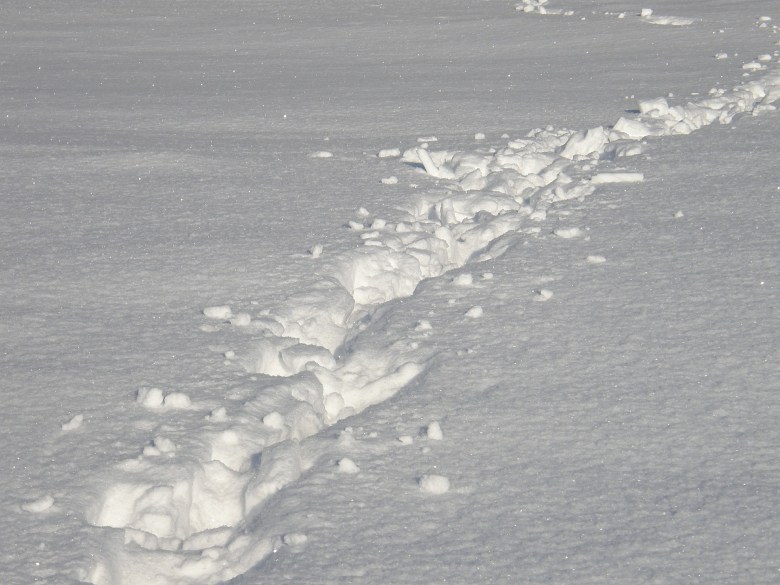
Experimenting with different perspectives can take your winter photography to the next level. By changing your vantage point or shooting from unexpected angles, you can add depth and intrigue to your images. Try getting down low to capture a snow-covered street from ground level or climb to higher ground for a sweeping aerial view of a winter wonderland. Playing with perspective allows you to see familiar scenes in a new light and create photos that stand out from the rest.
Getting creative with composition opens up endless possibilities for capturing the beauty of winter in your photography.
Getting Creative with Composition
Getting down low to capture a snow-covered street gives a very interesting look at the scene. Just like trying to find a roof to give you a sweeping aerial view of the winter wonderland below.
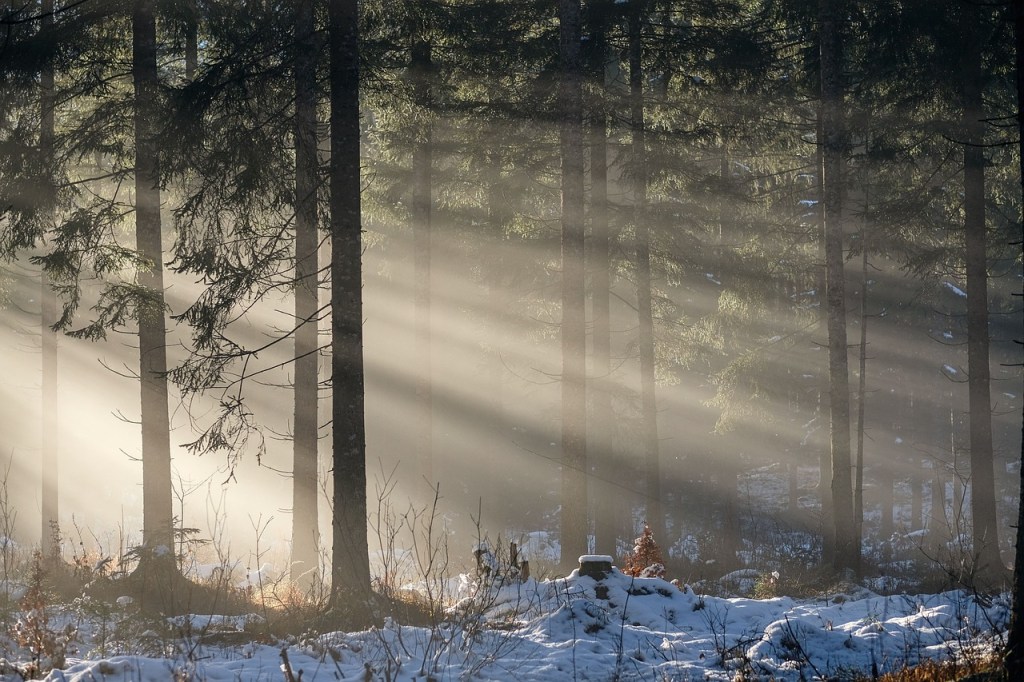
Playing with perspective allows you to see familiar scenes in a new light and create photos that stand out from the rest. Getting creative with composition opens up endless possibilities for capturing the beauty of winter in your photography. Embracing the Monochrome Effect adds a timeless and elegant touch to your winter photos.
Embracing the Monochrome Effect
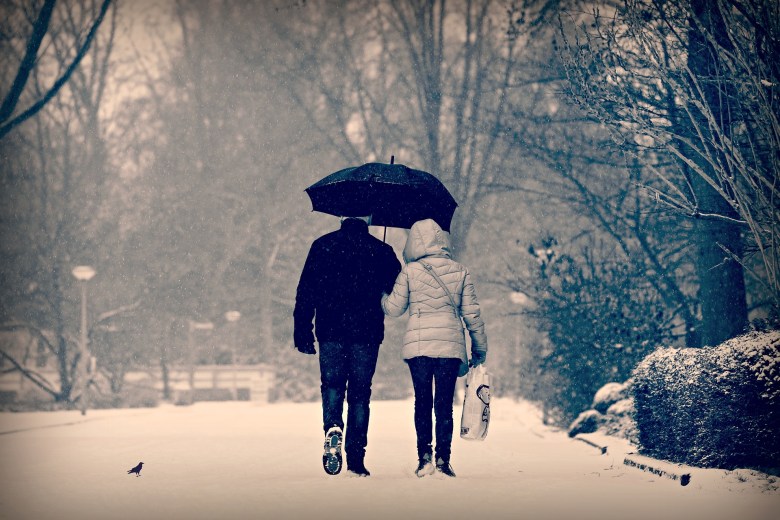
Embracing the Monochrome Effect can transform your winter photography into stunning works of art. By stripping away colors and focusing on the play of light and shadows, monochrome images evoke a sense of timeless beauty and elegance.
This classic approach highlights the textures and patterns of winter landscapes, bringing a sense of drama and sophistication to your photos. Adding a monochrome effect to your winter photography repertoire allows you to create captivating images that will stand out and leave a lasting impression. Capturing the Beauty of Snowflakes is another way to bring a touch of magic to your winter photography.
Capturing the Beauty of Snowflakes
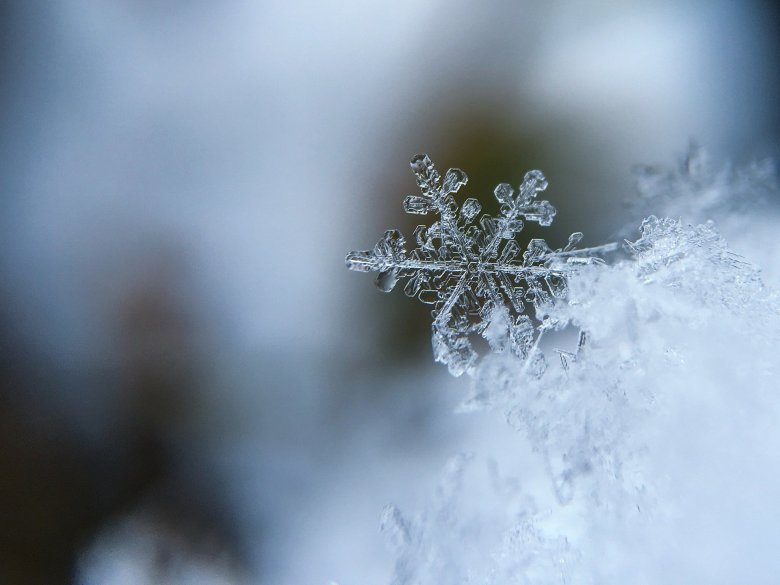
To capture the unique beauty of snowflakes in your winter photography, try using a macro lens to get up close and personal with these intricate ice crystals. Each snowflake is a work of art in itself, with its own distinct pattern and shape. By zooming in on the details, you can showcase the delicate structure of snowflakes and create stunning close-up shots that will mesmerize viewers.
Experiment with different angles and lighting to capture the sparkle and translucent quality of snowflakes, adding a touch of whimsy and wonder to your winter photography. These tiny crystals are fleeting and elusive, so be patient and persistent in your pursuit of the perfect snowflake shot.
Editing Tips for Winter Photography can help you enhance the beauty of your snowflake photos even further, bringing out their intricate details and ethereal qualities with the right adjustments and techniques.
Editing Tips for Winter Photography
To enhance the beauty of your snowflake photos even further, consider using editing tips for winter photography. Adjusting the brightness and contrast can bring out the intricate details of each snowflake, while playing with saturation levels can emphasize their ethereal qualities.
Experiment with different filters and effects to add a touch of creativity and uniqueness to your winter photography. By editing your snowflake shots strategically, you can elevate them from simple images to captivating works of art that truly showcase the beauty of winter.
As always, you should be shooting all of your photos in RAW. This will give you the most control when editing your photos.
BONUS
Remember to keep your camera cold and your batteries warm. Having your camera cold will help prevent it from fogging up. Try to keep your batteries in your pocket when you are not using them. A cold battery dies faster than a warm one.
One other thing to do when photographing in winter is to dress warmly. If the ground is covered in snow, it’s a good chance the temps are below freezing. The last thing you want is to have to retreat indoors because you didn’t dress accordingly.
Incorporate these 10 winter photography hacks into your practice to elevate your skills and capture stunning images. Experiment, push boundaries, and unleash your creativity to capture unique moments in the winter wonderland. Remember, the beauty of winter photography lies in your ability to see the world through a different lens.
So grab your camera, step outside, and let your imagination run wild. As Ansel Adams once said, “You don’t take a photograph, you make it.” Get out there and make some winter magic.












 Kozmo Photos