

Do you ever feel like your landscape photography is missing that wow factor? Are you tired of following the same old rules and guidelines? Well, it’s time to break free from convention and explore an unconventional technique that will revolutionize your landscape photography.
In this article, we will delve into the counter-intuitive method that has the power to transform your images into breathtaking works of art. By challenging the norms, embracing imperfection, and expanding your creative vision, you’ll discover a whole new world of possibilities.
Get ready to capture the most stunning shots that will leave your audience in awe. Let’s dive in and unlock your full creative potential in landscape photography.,
Understanding the Power of Breaking Rules

As you are aware of, there are certain “rules” in photography that you are supposed to follow. The Rule of Thirds is one of those rules that you shouldn’t break. However, this is one rule that is okay to break.
Sometimes breaking this rule results in a truly stunning photo. If you followed the rule, your image may be indistinguishable from the countless others that are out there. Think about how many people take a photo of the Eiffel Tower or the Washington Monument every day. Now think about how you can break away from the Rule of Thirds and make it more interesting and unique.
When it comes to photography, the rules are meant to be broken. Change up your exposure, slow down the shutter speed, and break away from the line. Some of the more interesting images that you will see go against the rules and that’s what makes them truly unique.
By understanding the power of breaking rules in landscape photography, you’ll learn to embrace imperfection for extraordinary results.
Embracing Imperfection for Extraordinary Results
In the world of landscape photography, where capturing the perfect shot is highly sought after, it may seem counterintuitive to embrace imperfection. However, by understanding the power of breaking rules, you’ll discover the key to unlocking extraordinary results in your work.
Often, we are conditioned to believe that the pursuit of perfection is the only path to success. We tirelessly strive to adhere to the conventional norms and guidelines, fearing that any deviation will lead to failure. But what if we were to challenge this notion? What if we dared to embrace imperfections and explore the uncharted territory of creativity?

When it comes to landscape photography, the natural world is a canvas filled with infinite possibilities. By allowing ourselves to break free from rigid rules and preconceived notions, we open the door to unique perspectives and unforeseen beauty. Rather than fixating on capturing the “perfect” composition or adhering to the traditional principles of photography, we can indulge in experimentation and let our intuition guide us.
Embracing imperfection doesn’t mean settling for mediocrity; it’s about embracing the unexpected and finding beauty in the unconventional. It’s about venturing beyond the boundaries of what we consider “ideal” and discovering the hidden gems that lie in the imperfections.
In the pursuit of extraordinary results, we must give ourselves permission to take risks and challenge the status quo. It is in these moments of vulnerability that we often stumble upon the most breathtaking and unexpected shots. By embracing imperfection, we tap into our creative instincts, and our work transcends the realm of ordinary photography, becoming something truly extraordinary.
By understanding the power of breaking rules and embracing imperfection, we lay the foundation for expanding our creative vision. Through this journey, we not only discover new ways of seeing the world around us but also gain the confidence to trust our instincts and deviate from the conventional path. So, let’s embark on this adventure of embracing imperfection, for it is through the extraordinary that we find true magic in our landscape photography.
Expanding Your Creative Vision

It is through this embrace of imperfection that we unlock endless possibilities and create photographs that are unique and captivating.
Expanding our creative vision takes us beyond the boundaries of traditional landscape photography. It encourages us to experiment with different angles, perspectives, and techniques, pushing ourselves to capture moments that may seem unconventional but hold incredible artistic potential. By daring to see beyond what is expected, we open ourselves up to a world of inspiration and creativity.
This exploration of expanding our creative vision not only impacts our photography but also our perception of the world. As we train ourselves to observe the beauty in the unexpected and find inspiration in the ordinary, we become more attuned to the subtle details that often go unnoticed. Our senses become heightened, and we start to discover unique compositions and perspectives that add depth and interest to our photographs.
With every click of the shutter, we are given the opportunity to evolve as artists and storytellers. Embracing imperfections and breaking free from the constraints of conventional photography will not always lead to perfection, but it will undoubtedly lead to growth and discovery. By honing our ability to see and capture the extraordinary, we can take our landscape photography to new heights.
By embracing imperfection and expanding our creative vision, we set the stage for the next phase of our journey: mastering the art of composition. Through this new lens, we will explore the essential elements that bring harmony and balance to our photographs, creating captivating visuals that leave a lasting impression.
Mastering the Art of Composition

Composition is the foundation upon which every great photograph is built, and it is a skill that can truly transform our landscape photography.
At its core, composition is the arrangement of visual elements within the frame. It is the deliberate placement of subjects, lines, shapes, and colors that work together to create a unified and compelling image. As landscape photographers, we have the opportunity to harness the natural beauty of the world around us and use it to craft our own visual stories.
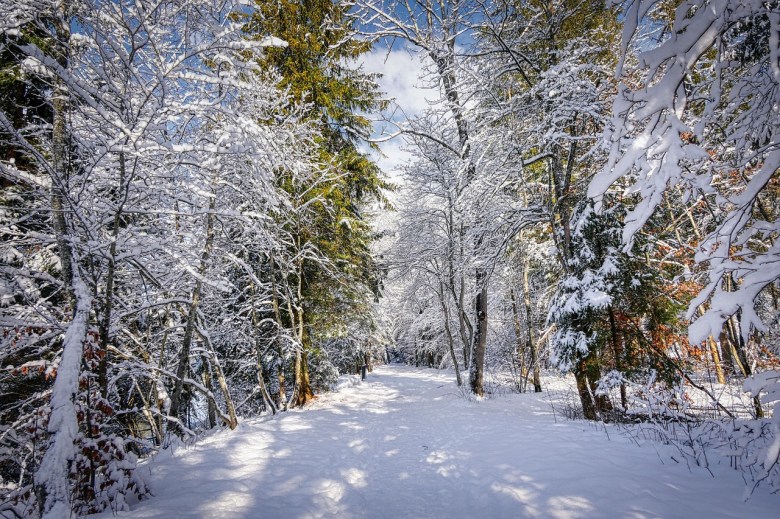
One key aspect of composition is the concept of leading lines. These are elements within the photograph that guide the viewer’s eye and create a sense of depth and movement. Whether it’s a winding path through a field or the curve of a river, leading lines serve as a powerful tool to draw the viewer into the scene and create a sense of exploration. By carefully considering the placement and direction of these lines within our frame, we can enhance the visual impact of our photographs and guide the viewer’s experience.
Another important element of composition is the rule of thirds. This principle suggests that a photograph should be divided into nine equal parts by two equally spaced horizontal and vertical lines, and that important compositional elements should be placed along these lines or at their intersections.
By adhering to the rule of thirds, we introduce a pleasing sense of balance and visual tension to our photographs. This technique allows us to break away from the conventional centered compositions and adds a dynamic element to our storytelling. But remember that photography rules are meant to be broken.

Additionally, the use of color and contrast can greatly impact the overall composition. By paying attention to the interplay of hues and tones within our frame, we can create a sense of depth and dimension. Complementary colors can be strategically incorporated to add visual interest and evoke specific emotions, while subtle contrasts in light and shadow can enhance the mood and atmosphere of our photographs.
Mastering the art of composition is an ongoing process of exploration and experimentation. It requires us to critically analyze our own work, identify what is working and what can be improved, and continuously push the boundaries of our creativity. As we delve into the next section on harnessing light and shadows, we will discover how these elements can further elevate our compositions and bring our landscape photography to new levels of artistic expression.,
Harnessing Light and Shadows

Mastering the art of composition in landscape photography goes beyond just framing the subject and capturing the scenery. It involves understanding and utilizing the interplay of light and shadows to elevate the overall composition.
The way light falls on a landscape can create dramatic effects, add depth, and evoke specific emotions. By harnessing the power of light and shadows, photographers can unlock new levels of artistic expression in their work.
Light is a crucial element in photography, and its quality and direction can significantly impact the final result. The golden hour, during sunrise or sunset, offers soft, warm light that casts long shadows and bathes the scene in a beautiful glow. This time of day provides a magical atmosphere, enhancing the mood and creating a sense of serenity.
On the other hand, during the midday hours when the sun is high in the sky, the light is harsh and can create strong contrasts and deep shadows. This can be utilized to create bold and dramatic compositions, playing with the interplay of light and shadow to add visual interest and impact.
Shadows, often seen as the absence of light, hold their own artistic potential. They can help define shapes, add texture, and contribute to the overall composition. By intentionally incorporating shadows into a landscape photograph, photographers can create depth and dimension, leading the viewer’s eye through the image. Shadows can also be used strategically to guide attention to specific elements within the frame, highlighting the subject or creating a focal point.

Understanding how to work with light and shadows requires practice and experimentation. Some scenes may benefit from a soft, diffused light that wraps around the landscape, while others may thrive on the contrast and drama created by strong shadows. It’s essential to observe the scene, study the quality of light, and consider how its interaction with the environment can enhance the composition.
Taking the time to explore different angles and perspectives, playing with shadows, and experimenting with the interplay of light will ultimately lead to more impactful and visually stunning landscape photographs. If your given subject is close, try to go out at different hours of the day and take some pictures. Compare which ones look better and what time of day they were taken.
As we delve into the next section on unleashing our unique perspective, we can apply the knowledge of harnessing light and shadows to further elevate our compositions. By combining our newfound understanding of composition, color, and contrast with the strategic use of light and shadows, we can truly transform our landscape photography into works of art that capture the essence and beauty of the natural world.
Unleashing Your Unique Perspective
As we continue to explore the art of landscape photography, we can take our compositions to new heights by unleashing our unique perspective. Armed with our understanding of working with light and shadows, we have the power to transform ordinary scenes into breathtaking works of art that truly capture the essence and beauty of the natural world.
Just as every photographer has their own style and vision, each of us brings a unique perspective to our work. This perspective is shaped by our experiences, emotions, and the way we perceive the world around us. It is this individuality that allows us to create photographs that stand out from the crowd and evoke a sense of wonder in those who view them.

Unleashing our unique perspective means embracing our personal vision and allowing it to guide us in our creative journey. It means seeking out the scenes and subjects that resonate with us on a deeper level and capturing them in a way that reflects our own interpretation.
One way to do this is by exploring different angles and perspectives. By getting down low or climbing to higher vantage points, we can uncover fresh viewpoints that others may have overlooked. This change in perspective can completely transform a scene, revealing new layers of depth and dimension that add intrigue to our photographs.
If you do a lot of photography with your phone try getting down low and flipping your phone around. Have the camera close to the ground. The results may surprise you, they surprised me.
Another powerful tool in unleashing our unique perspective is playing with shadows. Shadows have the ability to create drama, depth, and mystery in our images. By strategically placing our subjects or elements of interest in relation to shadows, we can create striking compositions that draw the viewer in and invite them to explore the image further.

Experimenting with the interplay of light and shadows is yet another way to infuse our photographs with our own perspective. By observing the quality of light and how it interacts with the landscape, we can determine whether a scene would benefit from soft, diffused light that wraps around the subject or strong, directional light that creates bold contrasts. This understanding allows us to make intentional choices that enhance the overall composition and evoke the desired emotions in our viewers.
As we delve deeper into the next section on unleashing our unique perspective, let us remember to combine our newfound understanding of composition, color, and contrast with the strategic use of light and shadows. By doing so, we can elevate our landscape photography to new heights and create images that not only showcase the natural beauty surrounding us but also reflect our own creative vision.
In conclusion, embracing the counter-intuitive approach to landscape photography is the key to unlocking your full creative potential and capturing images that truly stand out. By breaking traditional rules, embracing imperfections, expanding your creative vision, mastering composition, harnessing light and shadows, and unleashing your unique perspective, you can take your photography to new heights.
Don’t be afraid to challenge the norms and experiment with different techniques. With practice and dedication, you have the power to create breathtaking photographs that leave a lasting impact on your viewers. Do it today or this weekend.
Just get out there and apply these simple, yet powerful techniques and see how much your photography improves. Forget about using filters, let the world around you become your filter.
So, start applying these principles today and watch your landscape photography soar. Remember, your camera is a tool, but your unique perspective is what truly sets you apart. As Ansel Adams once said, “You don’t take a photograph, you make it.”







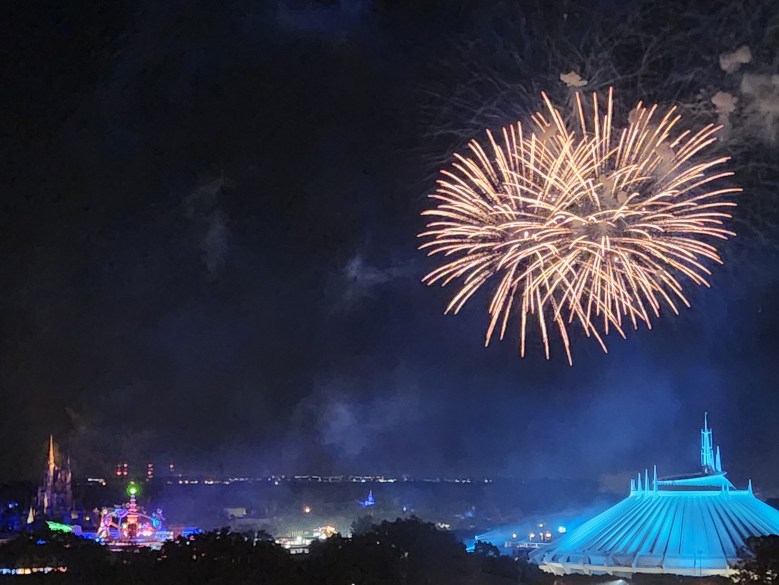






 Kozmo Photos